Get Plumbing Relocation
Plumbing relocation services help property owners move or update pipes during renovations, remodeling, or property improvements by connecting with local contractors skilled in these projects.
Plumbing relocation is a common project for property owners looking to modify or expand their spaces. Whether updating a kitchen layout, creating a new bathroom, or reconfiguring existing plumbing systems, proper planning is essential to ensure the work meets your needs. Local contractors specializing in plumbing services can assist in evaluating options, designing effective layouts, and managing the complexities of rerouting pipes to fit your property’s unique requirements.
Exploring your options with experienced local service providers can help you compare approaches and find solutions that align with your project goals. These professionals bring practical knowledge of local building codes and best practices, making it easier to navigate the planning process. Continue reading to learn how local contractors can support your plumbing relocation project and help you find the right expertise for your property.
- Residential Plumbing Relocation - needed when homeowners are remodeling or expanding their living spaces.
- Commercial Plumbing Relocation - required during office renovations or business expansions to update existing plumbing systems.
- Emergency Plumbing Relocation - necessary when urgent work is needed to move plumbing due to unforeseen damage or hazards.
- New Construction Plumbing Relocation - essential for builders integrating plumbing systems into new buildings or structures.
- Historical Building Plumbing Relocation - performed when restoring or renovating older properties that require updated or rerouted plumbing.
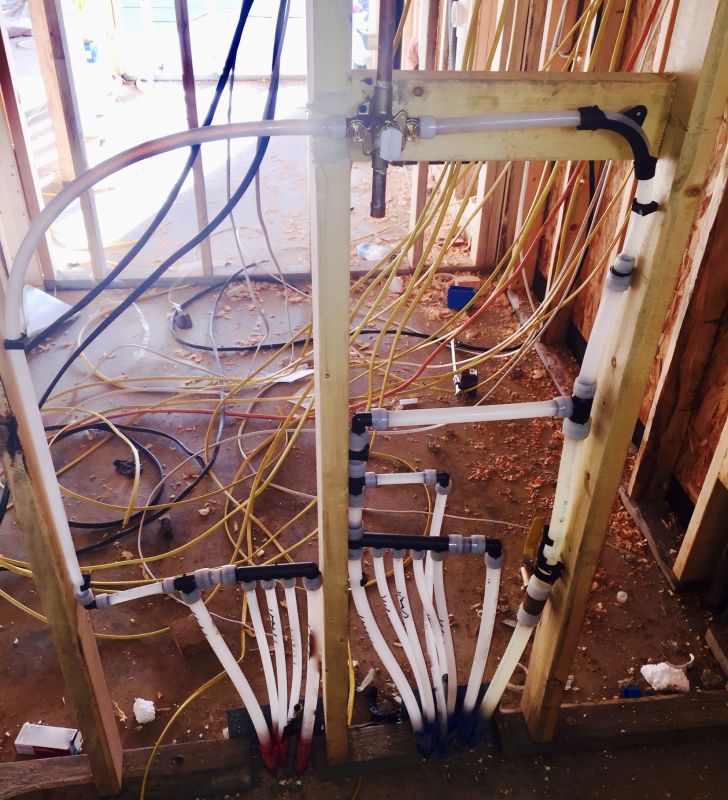
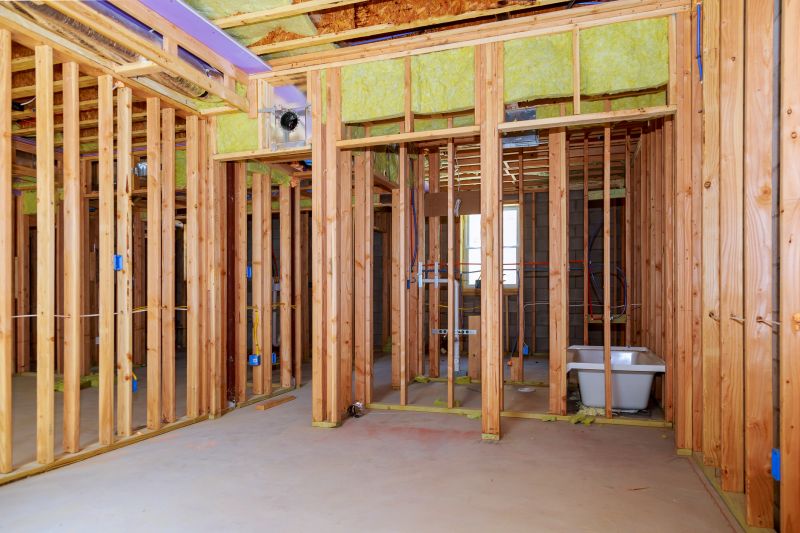
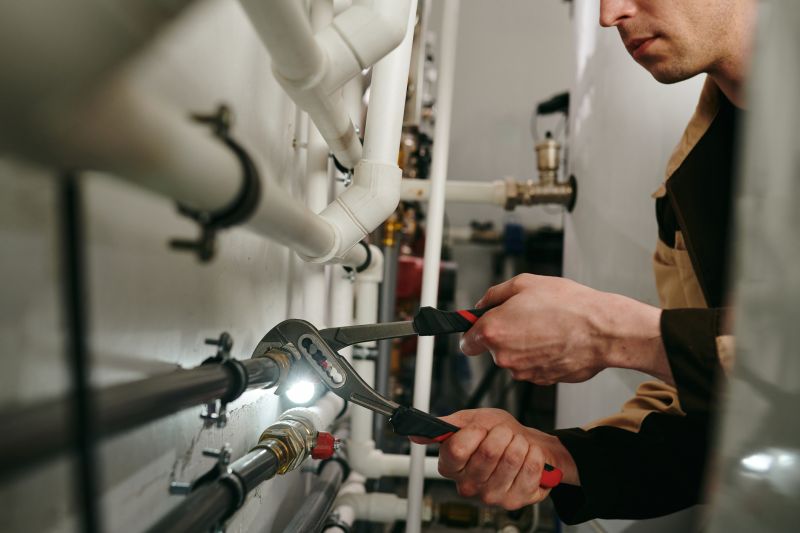
Plumbing relocation services involve the process of moving existing plumbing systems to new locations within a property or to a different site altogether. This type of work typically includes disconnecting the current plumbing connections, rerouting pipes, and installing new fixtures to ensure everything functions properly in the updated layout. These services are often necessary when homeowners are renovating kitchens or bathrooms, expanding living spaces, or making structural changes that impact the original plumbing setup. Experienced local contractors handle these projects efficiently, ensuring that the relocated plumbing meets all necessary standards and functions seamlessly.
Relocation services help resolve common problems associated with outdated or improperly placed plumbing systems. For example, if a bathroom or kitchen is being moved to a different part of the property, the existing plumbing may no longer be accessible or practical. Additionally, aging pipes can become prone to leaks or blockages, prompting a full or partial relocation to improve reliability and prevent future issues. Plumbing relocation also addresses problems caused by remodeling projects that require rerouting pipes around new walls, floors, or foundations, helping homeowners avoid costly repairs or water damage down the line.
These services are frequently used in a variety of property types, including single-family homes, multi-unit residential buildings, and commercial properties. Homeowners undertaking major renovations or additions often require plumbing relocation to accommodate new layouts or expand their living space. Property developers and landlords may also seek these services when upgrading older buildings or preparing units for new tenants. Regardless of the property size, professional plumbing relocation ensures that the plumbing system is properly adjusted to meet current needs and future use, preventing potential issues related to improper pipe placement or connections.
Understanding when plumbing relocation is needed can help homeowners plan for smoother renovations and avoid unexpected problems. If a property’s plumbing system no longer aligns with the new layout or if there are signs of leaks and corrosion, it may be time to consider relocating pipes. Similarly, if a remodel involves moving fixtures or expanding the footprint of a kitchen or bathroom, professional plumbing relocation services can provide the necessary expertise. Connecting with local contractors experienced in these projects can ensure that the work is done correctly, minimizing disruptions and helping maintain the integrity of the property’s plumbing system.
The overview below groups typical Plumbing Relocation projects into broad ranges so you can see how smaller, mid-sized, and larger jobs often compare in your area.
In many markets, a large share of routine jobs stays in the lower and middle ranges, while only a smaller percentage of projects moves into the highest bands when the work is more complex or site conditions are harder than average.
Smaller Repairs - Typical costs for routine plumbing relocations such as moving a sink or toilet usually range from $250 to $600. Many projects fall within this middle range, depending on the complexity and location of the work. Fewer jobs extend into the higher end, which can reach around $1,000 or more for specialized adjustments.
Partial Relocations - When relocating multiple fixtures or making moderate adjustments, local contractors often charge between $1,000 and $3,000. This range covers a variety of projects, with larger or more complex jobs sometimes exceeding $4,000. Most projects tend to stay within this mid-tier cost bracket.
Full Bathroom or Kitchen Moves - Complete relocations of entire plumbing systems typically cost between $3,500 and $8,000. Larger, more intricate projects can surpass $10,000, particularly in older buildings or when extensive rerouting is needed. Many jobs fall into the $4,000 to $7,000 range.
Major Renovations or Structural Changes - Extensive plumbing relocations involving significant structural modifications can reach $10,000 or higher. These projects are less common and often involve complex planning and execution, with many falling into the $12,000+ range depending on scope and location.
Actual totals will depend on details like access to the work area, the scope of the project, and the materials selected, so use these as general starting points rather than exact figures.
Bathroom Renovations - These projects often involve relocating plumbing fixtures and rerouting pipes, requiring similar planning and plumbing skills as relocation services.
Kitchen Remodels - Moving sinks, dishwashers, and water lines during kitchen updates involves plumbing adjustments comparable to relocation tasks.
Commercial Plumbing Installations - Installing new plumbing systems in commercial spaces shares techniques and planning strategies with relocating existing plumbing infrastructure.
Basement Finishing Projects - Adding or reconfiguring plumbing for laundry or bathrooms in basements involves similar pipe rerouting and installation expertise.
New Construction Plumbing - Setting up plumbing systems in new buildings requires precise planning and skilled pipe installation akin to relocation services.
Emergency Plumbing Repairs - Addressing urgent pipe issues often involves rerouting or replacing plumbing, utilizing skills relevant to relocation projects.
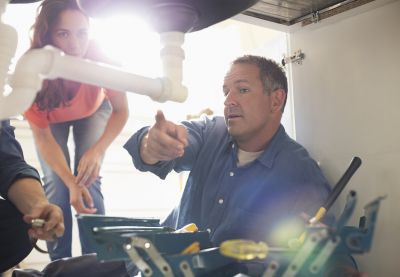
When comparing local contractors for plumbing relocation services, it’s important to consider their experience with similar projects. Homeowners should inquire about how many times the service provider has handled jobs comparable in scope and complexity. A contractor with a proven track record in plumbing relocations can often demonstrate familiarity with common challenges and effective solutions, helping to ensure the project proceeds smoothly. Reviewing the contractor’s background in projects similar to the one at hand can provide confidence that they understand the specific requirements and potential pitfalls associated with relocating plumbing systems within residential properties.
Clear, written expectations are essential when evaluating potential service providers. Homeowners should seek detailed proposals or estimates that outline the scope of work, materials to be used, and any assumptions or exclusions. Having this information in writing helps prevent misunderstandings and provides a basis for comparing different contractors fairly. It’s also beneficial to ask how the contractor communicates progress and updates during the project, ensuring that expectations remain aligned throughout the process. Transparent documentation fosters trust and allows homeowners to make more informed decisions.
Reputable references and strong communication are key indicators of reliable local contractors. Homeowners are encouraged to ask for references from previous clients who had similar work done, and to follow up with these contacts to learn about their experiences. Good communication involves responsiveness, clarity, and willingness to address questions or concerns promptly. Service providers who prioritize open dialogue and maintain professional rapport are often better equipped to handle unforeseen issues and keep projects on track. Ultimately, selecting a contractor with positive references and clear communication can contribute to a smoother, more predictable plumbing relocation experience.
Property owners use Plumbing Relocation services for practical projects around their homes and businesses. This guide focuses on everyday jobs and straightforward project options.
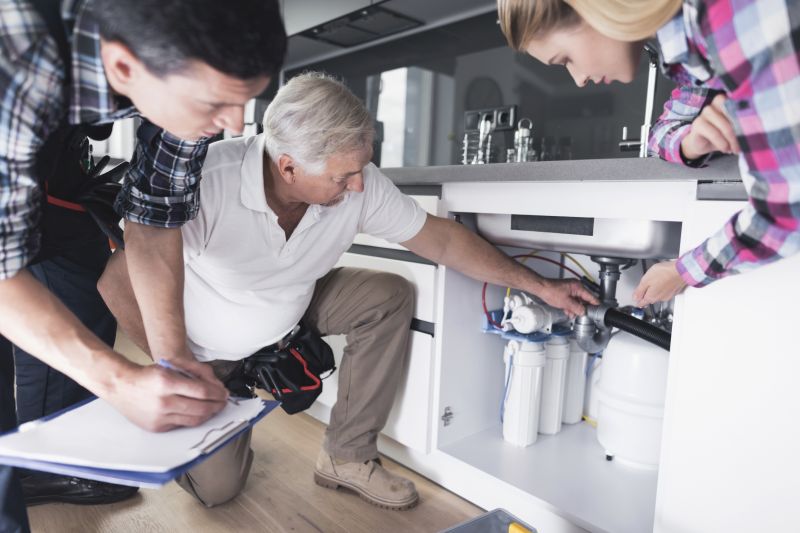
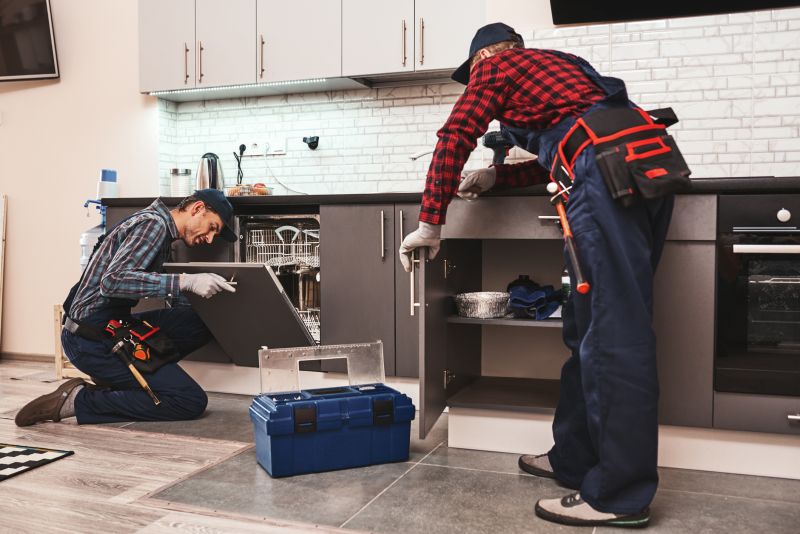
Plumbing relocation services are often needed when property owners are renovating, expanding, or reconfiguring their spaces. Whether adding a new bathroom, moving a kitchen to a different part of the property, or updating outdated plumbing lines, local contractors can handle these adjustments efficiently. These projects typically involve rerouting pipes, installing new fixtures, and ensuring everything functions properly in the new layout, helping property owners achieve their desired changes with minimal disruption.
Property owners in the area might seek plumbing relocation work for various reasons, such as improving functionality, increasing property value, or accommodating structural changes. Local service providers can assist with these projects, providing the expertise needed to navigate the complexities of moving existing plumbing systems. Connecting with experienced contractors can help ensure the work is completed correctly, whether for a small renovation or a larger remodeling project.
What does plumbing relocation involve? Plumbing relocation includes disconnecting existing pipes, rerouting them to new locations, and ensuring proper connections for the updated layout.
Why might someone need plumbing relocation services? Plumbing may need to be relocated due to home renovations, room additions, or to improve plumbing system efficiency and access.
Are plumbing relocation services suitable for all types of properties? Many local contractors can handle plumbing relocation for residential and commercial properties, regardless of size or complexity.
How do local service providers ensure proper plumbing relocation? They assess the existing plumbing system, plan the rerouting, and use appropriate materials and techniques to ensure reliable connections.
What should be considered before starting a plumbing relocation project? It's important to evaluate the existing plumbing layout, the new location requirements, and consult with experienced local contractors for guidance.
Bathroom Renovation Planning - Property owners can consider relocating plumbing fixtures during bathroom upgrades to improve layout and functionality.
Kitchen Remodels - Moving sinks, dishwashers, or refrigerators may require plumbing adjustments to optimize space and workflow.
Adding New Rooms - Expanding a home to include a new bedroom or office might involve rerouting existing plumbing lines for sinks or appliances.
Basement Finishing - Converting a basement into a livable space can include relocating plumbing to accommodate new bathrooms or laundry areas.
If you are thinking about Plumbing Relocation for a property, this guide is meant to help you understand the work, the typical project types, and how different options might fit your plans.
When you are ready, you can use the quote form on this page to share a few details about your project. From there, local pros can review the basics and respond with options that match what you have in mind.